
Commercial Tenant Improvement Projects in Greater Vancouver
Each project reflects the same operating standard: defined scope, permit-aligned scheduling, coordinated trades, and inspection-ready turnover.
Our portfolio includes office, retail, medical, and industrial tenant improvements across Metro Vancouver. While scope and scale vary, the execution framework remains consistent.
FEATURED PROJECTS
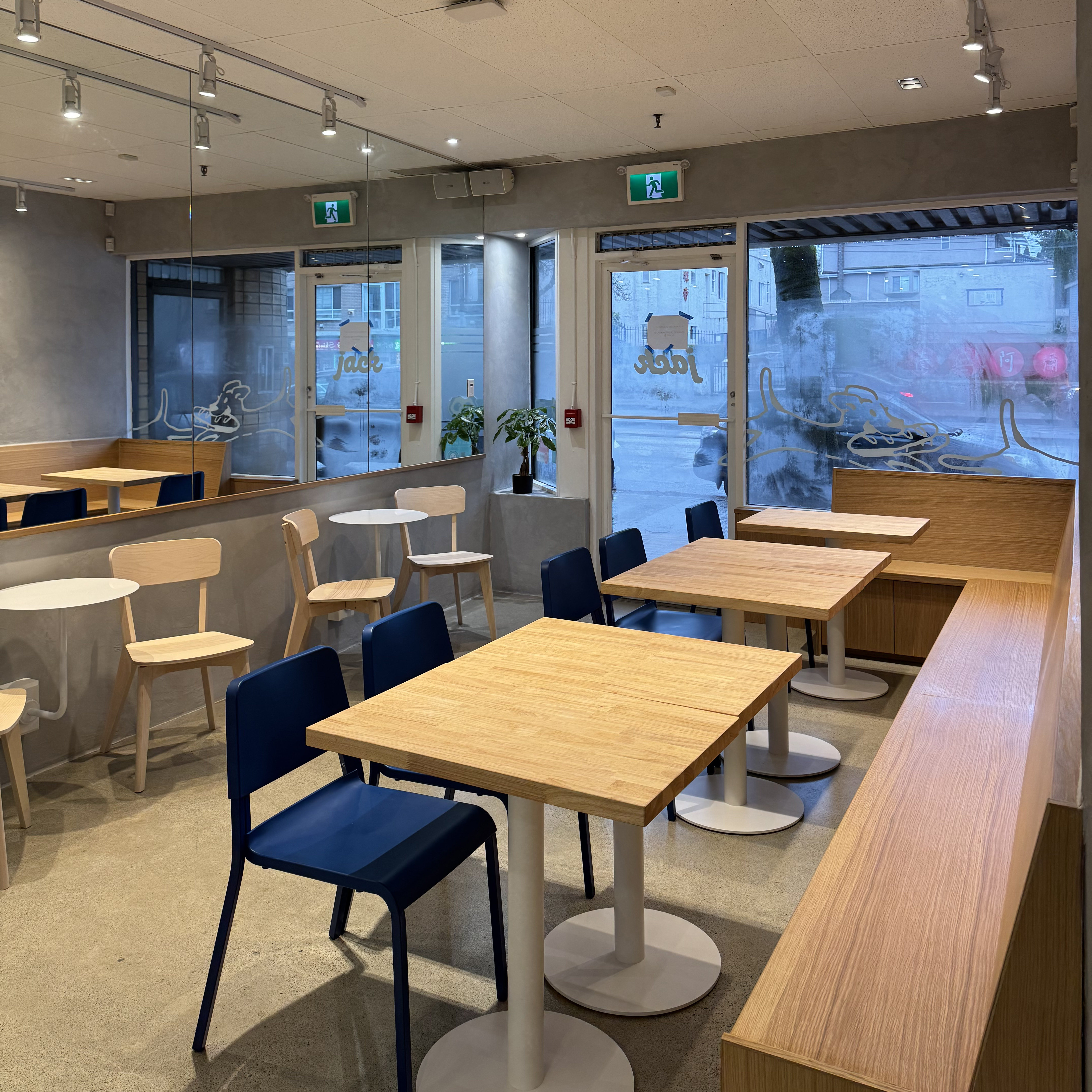
Jack's Spot Cafe
Vancouver, BC
An 8-week café build-out structured for operational readiness — aligning food-service infrastructure, municipal approvals, and trade coordination to support a seamless opening.
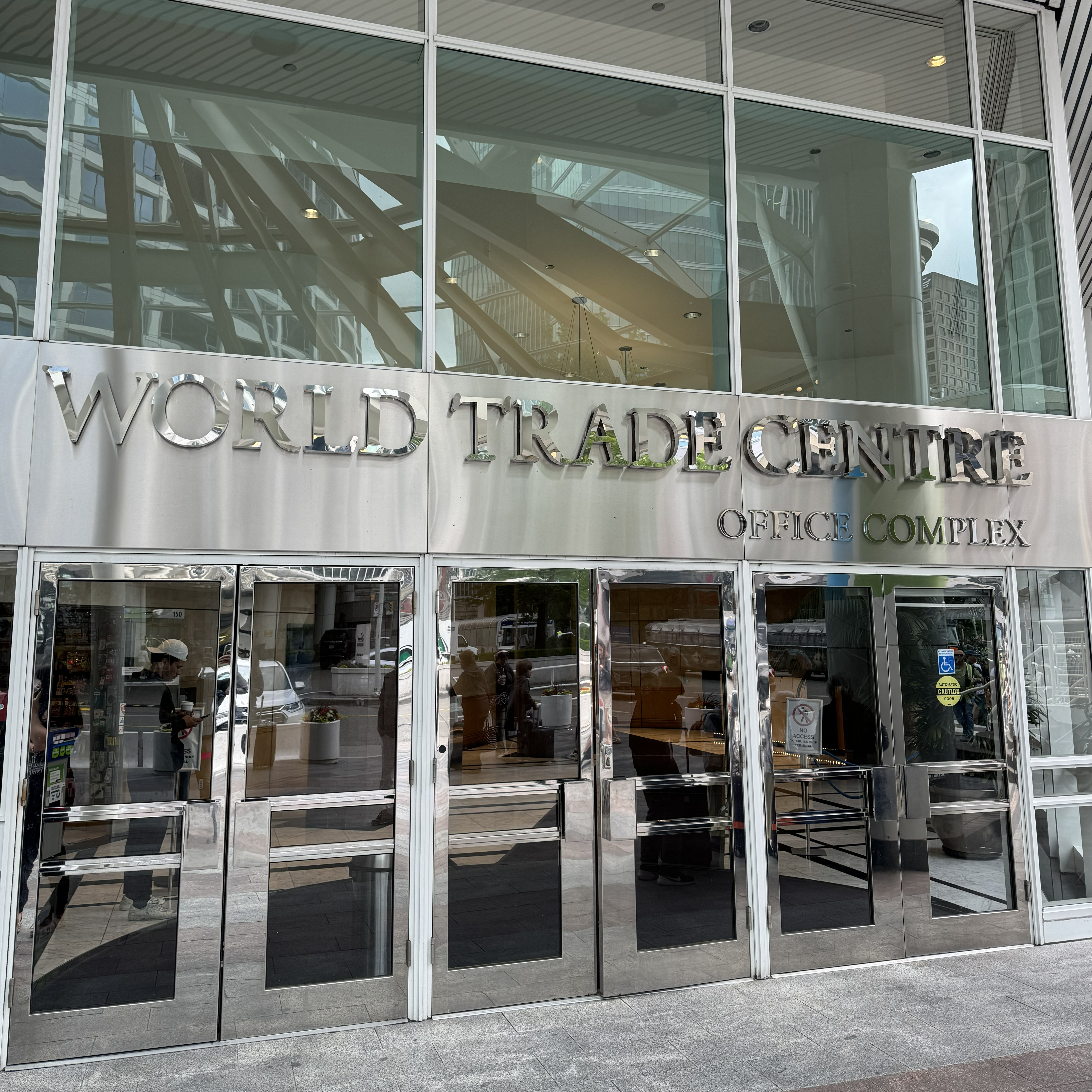
999 Canada Place
Vancouver, BC
1,050 sq. ft. office build-out delivered through an integrated design-build model. Completed in 18 business days with coordinated trade sequencing, procurement, and inspection planning.
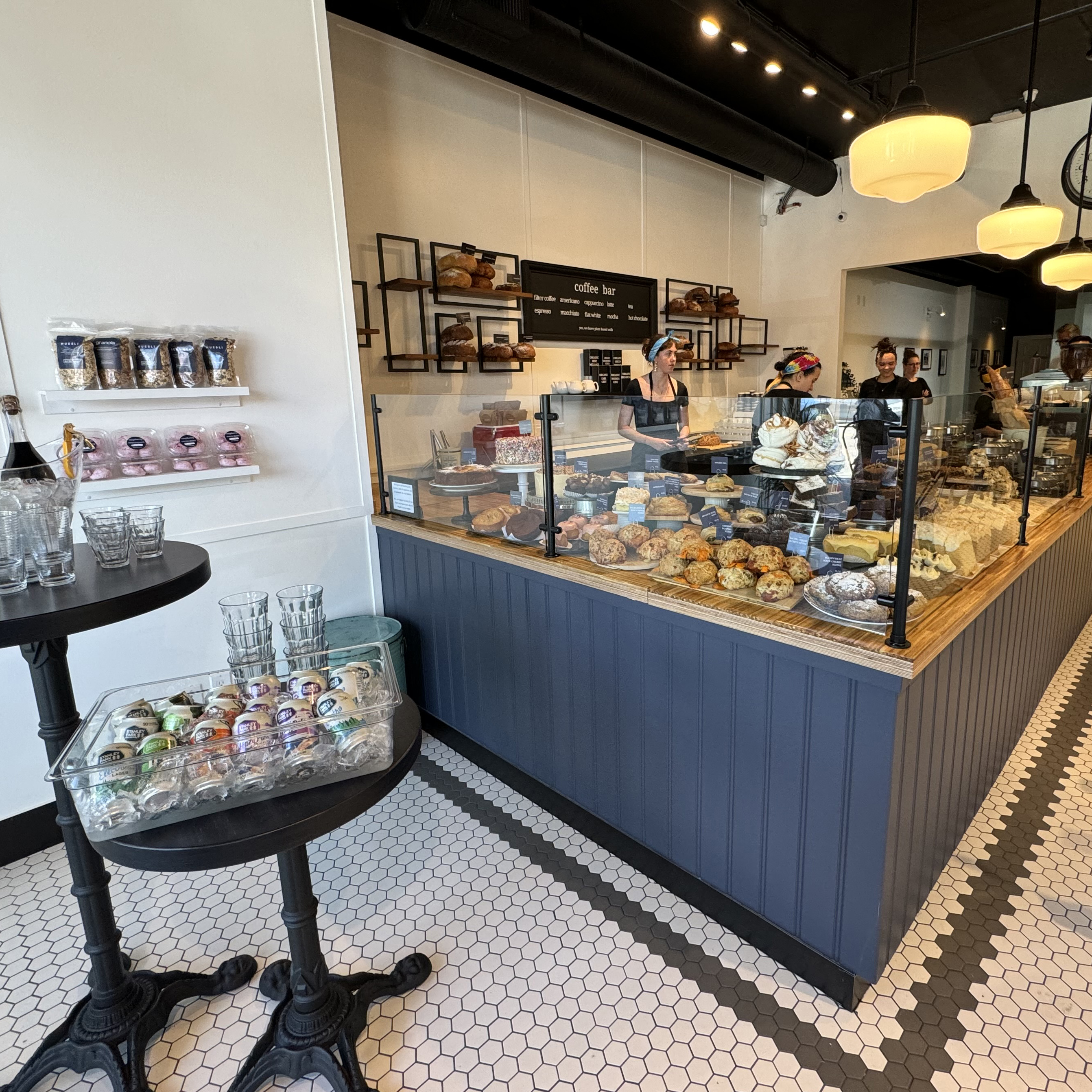
Purebread - W 4th
Vancouver, BC
2,331 sq. ft. café and bakery build-out delivered in 5 weeks. Executed with infrastructure-first sequencing, coordinated trades, and inspection-aligned scheduling to support high-volume operations.
What Our Tenant Improvement Projects Demonstrate
Successful tenant improvements are structured, not improvised. Across projects, this is reflected in clear sequencing between trades, permit-aware scheduling, and well-defined landlord and tenant scope boundaries. Execution remains inspection-focused through to close-out, with an emphasis on durable, commercial-grade construction. Projects are evaluated not only by completion, but by how effectively the space performs once occupied.
What Is a Commercial
Tenant Improvement Project?
A commercial tenant improvement project is the interior construction required to prepare a leased space for a specific business use.
This may include:
Layout reconfiguration
Mechanical and electrical system upgrades
Fire protection coordination
Accessibility compliance
Interior finishes
Municipal inspections and occupancy approval
In Greater Vancouver, tenant improvement projects must align with landlord requirements and municipal building codes simultaneously.
Professional coordination ensures permitting, construction, and inspections move in sequence.

Project Types
Office Tenant Improvements
We deliver office environments that are ready for occupancy—aligned with lease commitments, building standards, and tenant expectations.
Our team manages the full coordination of mechanical, electrical, and architectural systems to ensure efficient layouts, code compliance, and smooth inspections.
Typical office scopes include:
• Demising walls and suite reconfiguration
• HVAC redistribution and controls integration
• Lighting, power, and data infrastructure
• Acoustic and privacy solutions
• Permitting and inspection management
The focus is simple: predictable delivery, clean handover, and minimal disruption within active buildings.
Retail Build-Out Projects
Retail is driven by deadlines—and we build with that in mind. From early coordination through to turnover, we prioritize schedule certainty, long-lead planning, and seamless execution.
We understand that every retail category operates differently, and we tailor delivery to the specific operational and regulatory requirements:
• Retail & Apparel - Branded environments built for customer experience and merchandising performance.
• Restaurants & Food Service Production - Full back-of-house and front-of-house build-outs, including commercial kitchens, ventilation, and health authority compliance.
• Pharmacies - Secure, highly coordinated environments with integrated equipment, refrigeration, and controlled access areas.
• Veterinary Clinics - Specialized medical environments with durable finishes, technical coordination, and operational flow planning.
• Service-Based Retail (Salons, Fitness, Clinics) - Infrastructure-heavy spaces designed for high turnover and equipment integration.
Across all retail projects, we manage:
• Storefront and base building interfaces
• Mechanical, electrical, and plumbing upgrades
• Fire protection and life-safety systems
• Interior finishes, fixtures, and brand elements
• Landlord coordination and approvals
Our approach is built around one outcome: opening on time, fully complete, and ready for business.
Medical & Dental Tenant Improvements
Healthcare environments demand precision, compliance, and accountability. We bring a disciplined approach to delivering regulated spaces that perform from day one.
Our team coordinates all technical systems and approvals, including:
• Clinical HVAC systems (airflow, filtration, pressurization)
• Specialized plumbing and equipment integration
• Electrical capacity and redundancy
• Accessibility and infection control compliance
• Multi-stage inspections and authority approvals
We prioritize clear documentation, proactive coordination, and zero surprises at inspection.
Industrial & Warehouse Improvements
We deliver functional, durable spaces that support operations without disruption. Whether upgrading existing facilities or preparing space for new tenants, we align construction with real-world operational needs.
Typical scopes include:
• Office build-outs and mezzanines
• Warehouse lighting and power distribution
• Demising walls and separations
• Fire protection upgrades
• Code compliance improvements
Our work is planned and phased to maintain safety, access, and continuity within active industrial environments.
Landlord Improvements
We help landlords prepare, upgrade, and position their assets for leasing—reducing risk and accelerating tenant turnover.
From vacancy preparation to building repositioning, we focus on delivering clean, flexible spaces that support a wide range of future tenants.
Common landlord scopes include:
• Demising and suite configuration
• HVAC and base building system upgrades
• Electrical service and metering provisions
• Fire protection modifications
• Common area and washroom upgrades
• Code and accessibility compliance
• Structural readiness for future tenant needs
Our approach ensures that base building work aligns with leasing strategy—so when tenants are ready, the space is too.
Dulex Construction Case Studies
Section to follow when more case studies are populated.
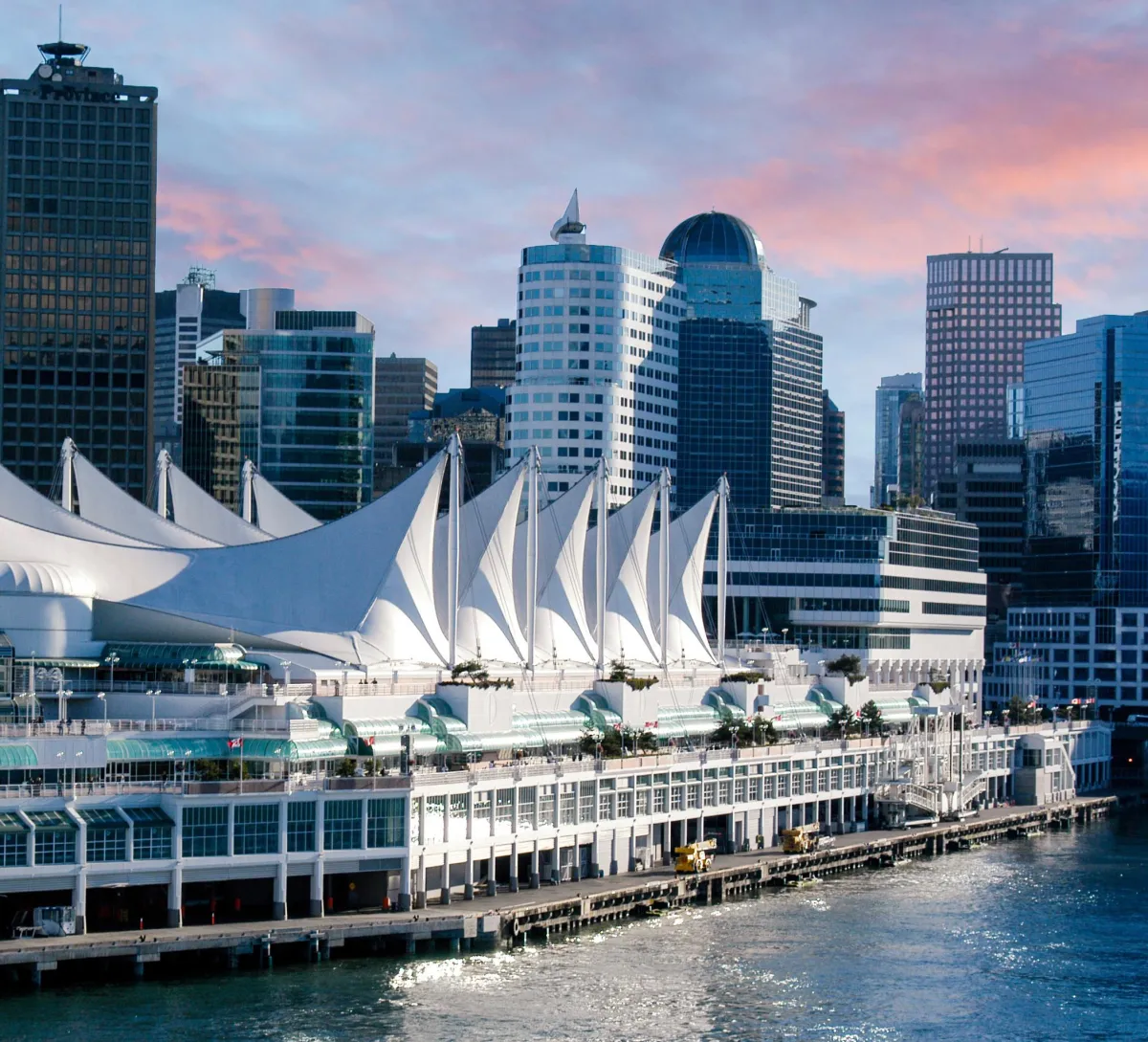
Municipal Experience Across Greater Vancouver
Our tenant improvement projects span:
Vancouver
Burnaby
Richmond
Surrey
Langley
Port Moody
Coquitlam
Port Coquitlam
North Vancouver
New Westminster
Each municipality operates within distinct permitting timelines and inspection procedures. Familiarity with these environments improves scheduling accuracy and reduces approval friction. Permit coordination is integrated into how projects are structured — not treated as a separate administrative step.
Join our Mailing List to receive updates on city permitting timelines in Greater Vancouver
What Our Portfolio Reflects
Most projects are delivered through repeat relationships and referrals. That consistency reflects disciplined execution under real-world commercial constraints.
Across project types, stakeholders value:
Clear communication
Realistic scheduling
Structured documentation
Accountability from start to finish
Our portfolio demonstrates predictable execution rather than promotional positioning.
Client Testimonials
Our clients’ satisfaction is the cornerstone of our success. Hear from those who have experienced our commitment to quality, reliability, and exceptional service. Their words reflect the trust and confidence we strive to build with every project.
Working with Dulex Construction has been an excellent experience. Their professionalism, clear communication, and commitment to quality set them apart as a general contractor. From project coordination to on-site execution, their team ensured a smooth workflow, making our collaboration both efficient and enjoyable. We truly appreciate their attention to detail and proactive approach, which contributed to the successful completion of our scope. We look forward together on future projects!
I want to express my gratitude for the outstanding work performed at Park Royal 100. The level of efficiency, effectiveness, and the high standards achieved by your team were truly commendable. The quality of the construction work exceeded my expectations. I highly recommend your services to anyone in need of construction-related projects. Your dedication to excellence is evident, and it was a pleasure working with a team that consistently delivers top-notch results. Thank you for a job well done, and I look forward to the opportunity to work with you again in the future.

Alex and his team did a great job getting our office done ahead of schedule and on budget! His ongoing communication about timelines and items to be done exceeded my expectations. He is very professional and would highly recommend.

Working with Alex and Dulex Construction was an absolute pleasure. He was proactive, communicative, and always one step ahead in problem-solving, ensuring efficiency without ever compromising on quality.

We engaged Dulex Construction for our industrial warehouse tenant improvements and it was a great experience. Alex was able to assist us with the whole package, including design, which saved us stress, time and money. Very professional and committed contractor I would hire again in the future.

Planning a Commercial Tenant Improvement?
If you are preparing a new lease, white-boxing a unit, or planning an interior build-out, early definition will shape the entire project.
Speak directly with a Dulex project manager to review scope, timelines, and next steps.
Detail-Driven Tenant Improvements, Professionally Managed.
Tenant Improvement FAQs
How Long Do Tenant Improvement Projects Take?
Tenant improvement timelines depend on project complexity, municipal review periods, and building conditions.
Most projects include:
• Planning and permitting
• Active construction
• Inspection and close-out
In Metro Vancouver, permitting timelines vary by municipality and documentation completeness. Projects that begin with clearly defined scope and coordinated drawings typically move more efficiently through review and inspection stages.
What Affects Tenant Improvement Project Costs?
Tenant improvement costs are influenced by:
• Mechanical and electrical scope
• Existing building conditions
• Permit and compliance requirements
• Material specifications
• Timeline constraints
Office, retail, medical, and industrial spaces each carry different cost structures based on service requirements and regulatory conditions.
Accurate budgeting depends on defined scope rather than preliminary assumptions.
What Is the Difference Between a Tenant Improvement and a Commercial Renovation?
A tenant improvement is interior construction completed to prepare a leased commercial space for a specific tenant’s operational needs. The scope is typically tied to a lease agreement and may involve landlord contributions, municipal permits, and occupancy approvals.
A commercial renovation, by contrast, may involve upgrades or alterations to an existing space without a new lease transaction. Renovations are often owner-driven rather than lease-driven.
Tenant improvements require closer coordination between landlord requirements, tenant operations, municipal permitting, and inspection timelines. Because occupancy dates are often fixed by lease terms, scheduling discipline is especially important.
Who Is Responsible for Tenant Improvement Costs?
Responsibility for tenant improvement costs depends on the lease structure and negotiated terms between landlord and tenant.
Common arrangements include:
• Landlord-funded tenant improvement allowances
• Shared cost agreements
• Tenant-funded build-outs
• White-box delivery by landlord with tenant-specific upgrades
Regardless of funding structure, clearly defined scope boundaries between landlord and tenant are essential. Misalignment in responsibilities can delay permitting, create budget disputes, and impact occupancy timelines.
Early clarification of these responsibilities improves project stability and cost control.
Why Do Tenant Improvement Permits Take Longer Than Expected?
Tenant improvement permits often take longer than expected due to incomplete documentation, mechanical or electrical revisions, or clarification requests during municipal review.
In Greater Vancouver, review timelines are influenced by:
• Drawing completeness at submission
• Mechanical and life-safety scope complexity
• Building classification and occupancy type
• Existing building conditions
• Revision cycles triggered by missing information
Many delays occur before construction begins. When permit drawings are not fully coordinated between consultants and trades, municipalities issue clarification requests that extend review periods.
Submitting complete, coordinated documentation significantly reduces revision cycles and improves timeline predictability.
How Many Inspections Are Required for a Tenant Improvement?
Most commercial tenant improvement projects require multiple inspections at different stages of construction. The number depends on scope and municipality, but commonly includes:
• Framing inspection
• Mechanical inspection
• Electrical inspection
• Plumbing inspection (if applicable)
• Fire protection inspection
• Final building inspection
Inspections must occur in sequence. If one trade is not prepared or documentation is incomplete, re-inspections may be required, extending the schedule.
Inspection-ready execution involves coordinating trades in advance, verifying compliance before calling inspections, and aligning scheduling with municipal availability. Proper sequencing reduces rework and protects occupancy timelines.
What Should You Review Before Starting a Tenant Improvement?
Before beginning a commercial tenant improvement project, it is important to clarify:
• Scope boundaries between landlord and tenant
• Mechanical and electrical capacity requirements
• Municipal permitting timelines
• Inspection sequencing
• Occupancy target dates
Early definition significantly improves schedule stability and cost control.
Detail-Driven Tenant Improvements,
Professionally Managed.
Links
Request a Quote
Join Our Trade & Supplier Network
Privacy Policy
Terms of Use
© 2026 Dulex Construction Corp. All rights reserved.